How to Ship Coins Safely for a Trade
TradingBy Coinzy Editorial Team
· 3 min read
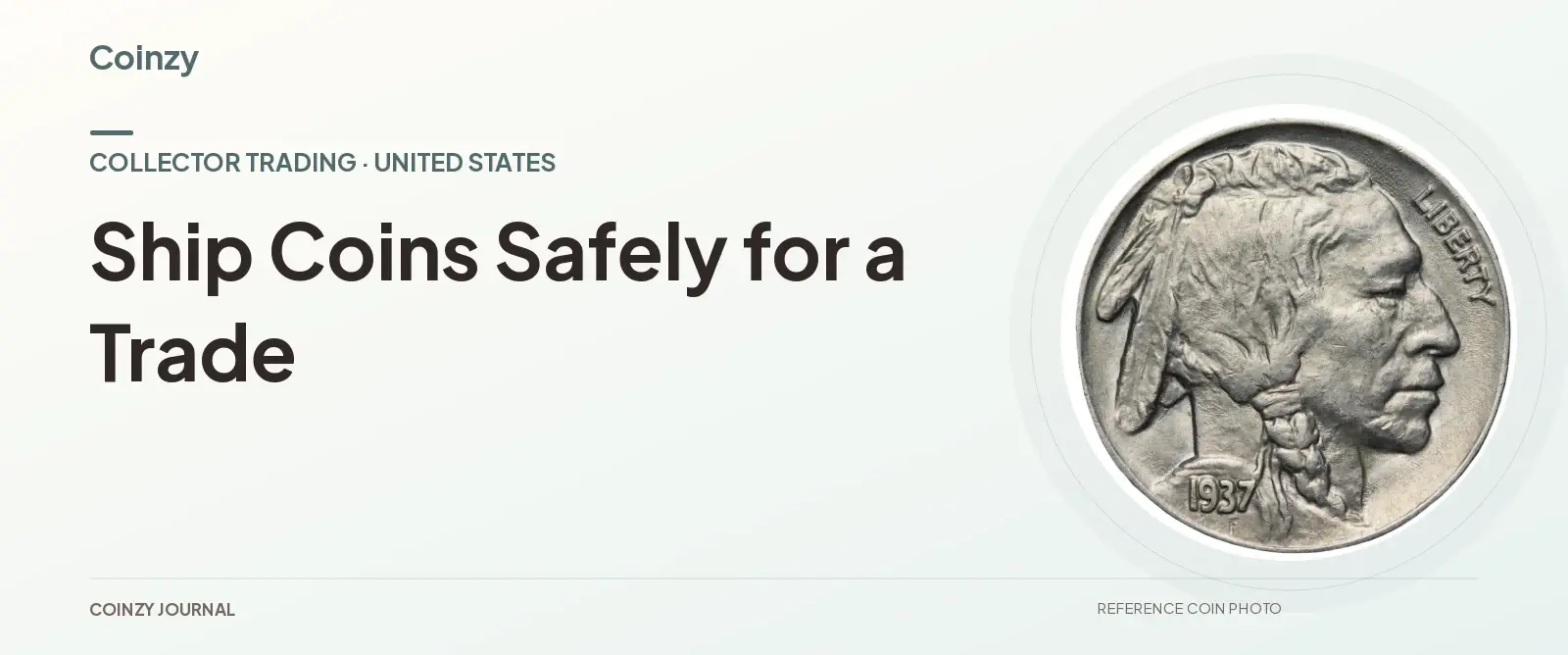
Thumbnail: Buffalo nickel obverse.png by LoneEagle33. CC0. Cropped, resized and composed with title and background.
Ship traded coins under a written agreement that covers the items, dispatch timing and what happens if inspection reveals a problem. Confirm the carrier’s rules and coverage before selecting a service.
What should you know about dispatching coins in a trade?
Protect each coin in a suitable holder and immobilise the holder inside the package. Keep adhesive away from the coin and avoid packaging that allows hard objects to rub against its faces.
Which evidence should you use?
Retain photographs of the item and packaging along with acceptance and delivery records. Ask the carrier about exclusions rather than assuming that a declared amount guarantees full compensation.
U.S. Mint: Caring for Your Coin CollectionWhat mistake should you avoid?
Simultaneous dispatch does not remove all trade risk. Both parties still need a shared description and a process for resolving a package that arrives damaged or contains a disputed item.
How does this work in practice?
An exchange involves a certified coin and a loose raw coin. Package them for their different physical needs while documenting both under the same written agreement.
Before dispatching coins in a trade, make sure both participants can identify the same items from the agreement. Include holders, documents and any additional payment in that description. A misunderstanding over a small qualification can matter more than an apparent difference between the parties’ preferred trade values.
Keep preference and evidence separate while discussing the exchange. You can knowingly choose an item because it fits your collection, but that preference should not be presented as proof of market value. For dispatching coins in a trade, an informed personal choice is clearer than a claim that every participant must value the material identically.
Agree what happens if inspection reveals a discrepancy before possession changes. Specify how the issue will be documented and how the parties will communicate. This does not guarantee a dispute-free exchange, but it creates a shared starting point that is more useful than assumptions made after a package arrives.
What should your next steps be?
- Confirm permitted contents and insurance terms.
- Choose holders appropriate to the items.
- Record each coin before packing.
- Agree dispatch and inspection timing.
- Keep carrier evidence with the trade record.
Work through the checklist in order and keep the outcome of each step with your record of dispatching coins in a trade. If a step cannot be completed, state the missing information explicitly. This makes it easier to ask for the right photograph, reference or professional opinion instead of substituting a guess.
When is more evidence needed?
Confirm receipt and inspect promptly under the agreement. If a problem appears, preserve the packaging and evidence while communicating clearly with the other party.
Frequently asked questions
Can a photograph settle the question on its own?
A photograph can help with dispatching coins in a trade, but its usefulness depends on the visible detail and the question being asked. Request complete views and a relevant close-up when necessary. If the outcome depends on an unseen surface, an exact measurement or physical authentication, explain that limitation and seek the appropriate assessment.
What should I keep in my collection record?
Keep the coin’s identification, the images you examined and the source behind the conclusion about dispatching coins in a trade. Add the transaction or assessment documents when relevant, and distinguish a confirmed fact from an opinion. Update the record when later evidence changes an important detail rather than silently replacing the original account.
How should you use a professional opinion?
Ask the reviewer to explain the scope of the answer about dispatching coins in a trade: what evidence was examined, which conclusion it supports and which questions remain open. Keep that explanation with the original record. A useful opinion should help you choose a next action, such as obtaining a clearer image, checking a reference or arranging physical examination; it should not require you to ignore information that conflicts with the conclusion.
Where can you continue your research?
Browse the Coinzy catalogueRead more collecting guidesUnderstand the Sheldon grading scaleCoinzy Editorial Team
Coinzy publishes practical coin collecting, identification and marketplace guides with links to the references used. Coin-specific authenticity and grading questions may require an independent expert assessment.