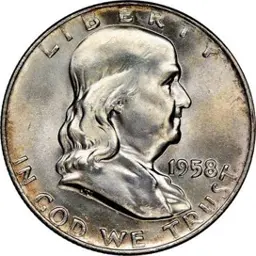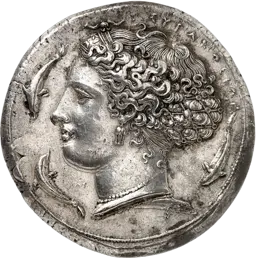

Ancient Roman coins
14k+ coins · up to $50,000
Browse Catalogue
Explore popular collecting categories, from ancient Roman to rare American.



Want to check your coins value? Get it evaluated first, then list to verified buyers.

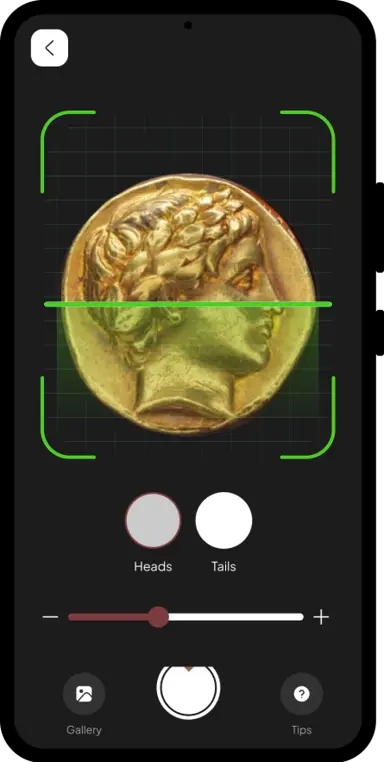
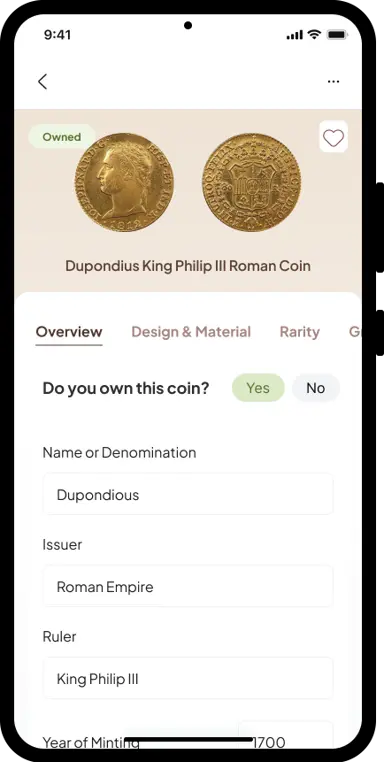
MOBILE APP
Identify coins using your camera. Your collection syncs across devices.
1M+
Daily users
4.3+★
User feedback rating
1.5M+
Items cataloged
20K+
Community members


Estimated Value
No recent market data yet
Name or Denominations
1 Farthing (1⁄960)
Issuer
England (United Kingdom)
Ruler
Henry II (1154-1189)
Year of Minting
1180-1189
Currency
Pound sterling (1158-1970)
Shape
Quarter circle
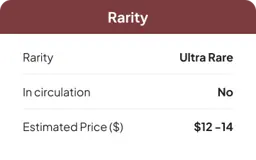
Rarity
Ultra rare
Weight
0.29 g
Diameter
9 mm
Thickness
NA
Material
Silver
Shape
Quarter circle
Edge Type
NA
Technique
Hammered
Front design
Quarter of crowned facing bust of King Henry II, sceptre to the left, legend around.
Back design
Quarter of voided short cross with quatrefoils of pellets in angles within inner beaded circle, moneyer and mint name around.
Year of Minting
1180-1189
King
Henry II (1154-1189)
Mint location
NA
Mint mark
NA
Orientation
Variable alignment ↺
Inscriptions
Obverse: hЄNRICVS • RЄX
Context
House of Plantagenet (1154-1399), Henry II (1154-89), Short Cross coinage (1180-89), Class 1b. Numerous mints and moneyer varieties exist. Henry II ascended the throne in 1154, but coins of Stephen's last type continued to be minted until 1158. The new coinage bearing Henry's name was more commonly referred to as the 'Tealby' coinage, as over 6,000 of these pennies were discovered at Tealby, Lincolnshire in 1807. In 1180 a coinage of new type, known as the Short Cross coinage, replaced the Tealby issue. The new coinage is remarkable in that it covers not only the latter part of the reign of Henry II, but also the reigns of his sons Richard and John and on into the reign of his grandson Henry III, and the entire issue bears the name 'hENRICVS'. Medieval coins were cut into halves and quarters to provide fractional denominations without the need to strike new coins. It is thought these were generally cut at the mint, although it is also likely to have happened during transactions. Cut farthings are known in England from Anglo-Saxon times (c. 750s) until Edward I introduced round farthings and halfpennies in the new coinage of 1279.
Rarity
Ultra rare
Coin type
Standard circulation
In circulation
No
Demonetized
Yes
Marketplace listings
0

Subscribe to Premium
Unlock more coin details with Premium.