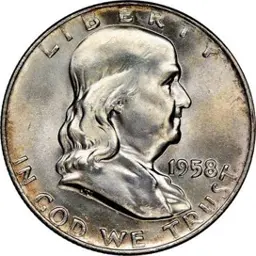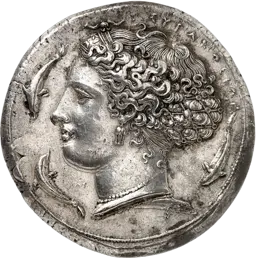

Ancient Roman coins
14k+ coins · up to $50,000
Browse Catalogue
Explore popular collecting categories, from ancient Roman to rare American.



Want to check your coins value? Get it evaluated first, then list to verified buyers.

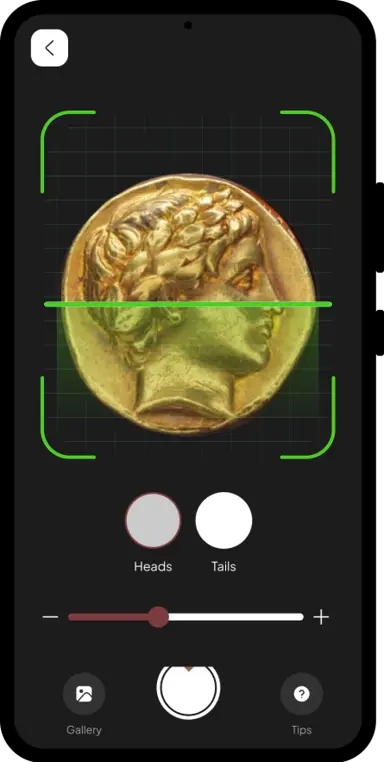
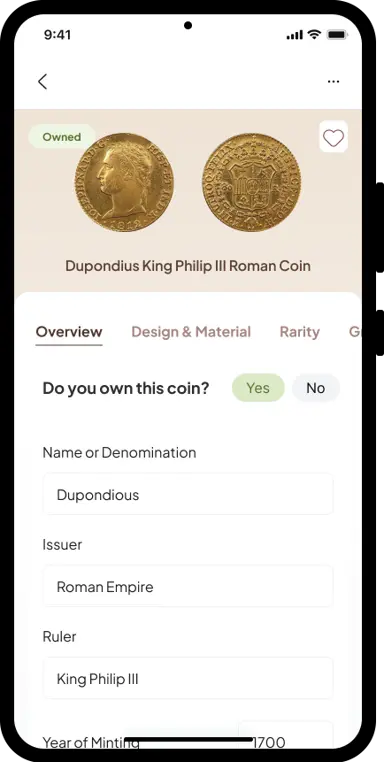
MOBILE APP
Identify coins using your camera. Your collection syncs across devices.
1M+
Daily users
4.3+★
User feedback rating
1.5M+
Items cataloged
20K+
Community members



Estimated Value
No recent market data yet
Name or Denominations
1 Penny (1⁄240)
Issuer
United Kingdom
Ruler
NA
Year of Minting
1801-1803
Currency
Pound sterling ( 1158-1971 )
Shape
Round
Rarity
Rare
Weight
19 g
Diameter
35 mm
Thickness
2 mm
Material
Copper
Shape
Round
Edge Type
Plain with divided lettering and four dots
Technique
Milled
Front design
Armorial bearings of the borough of Stafford: a triple-towered castle (with a long gateway), between four lions passant gardant in each corner. Lettering above, date below. Toothed border
Back design
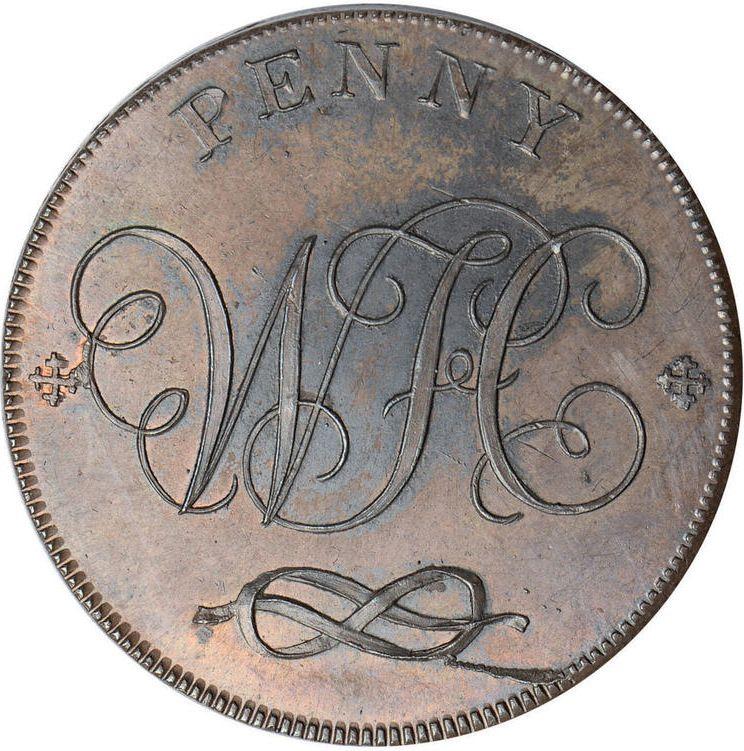
A large central cypher W H in ornamental script characters, with a small a cross crosslet on either side. A flourish intended for a Staffordshire knot (incorrectly rendered) below. Toothed border
Year of Minting
1801-1803
Ruler
NA
Mint location
NA
Mint mark
NA
Orientation
Coin alignment ↑↓
Inscriptions
Obverse: STAFFORD 1801 Reverse: PENNY + W H +
Context
The cypher is the initial letters of William Horton, a boot and shoe manufacturer in Stafford, and also a member of the town council. The obverse is supposed to present the armorial bearings of Stafford, but Debrett states that the town Seal shows a fish naiant instead of a lion in base, and the castle entrance appears portcullised with the gates thrown open. The Stafford knot, represented by the flourish beneath the cypher, is the badge of the Stafford family, but it is incorrectly rendered on the token. Horton and Co. also issued a penny piece in 1803 with the same designs, but with the change in date. This coin is notable as being the last token issued with an edge inscription, and the last token of this series issued in England (there are later ones in Ireland). The 1801 and 1803 Stafford tokens were issued in defiance of the Act of Parliament in 1797 forbidding the striking and issuing of commercial coins, to support the regal copper issues of 1797 and 1799. Token: Great Britain Conder Stafford 1797 to 1803 A man named James Conder undertook the somewhat daunting task of identifying, organizing, and cataloging a large set of privately issued tokens used in Great Britain during the late 1700's and early 1800's. There were not enough regular government-issued coins to support commerce in sparsely populated regions, so various individuals took it upon themselves to produce tokens. Bailey's token from Stafford is one of the more valuable Conder tokens. There is a variant with a taller gateway (Davis 96) which is rare.
Rarity
Rare
Coin type
Emergency coinage › Merchant tokens
In circulation
No
Demonetized
Yes
Marketplace listings
0

Subscribe to Premium
Unlock more coin details with Premium.