
Ancient Roman coins
14k+ coins · up to $50,000
Browse Catalogue
Explore popular collecting categories, from ancient Roman to rare American.


Want to check your coins value? Get it evaluated first, then list to verified buyers.
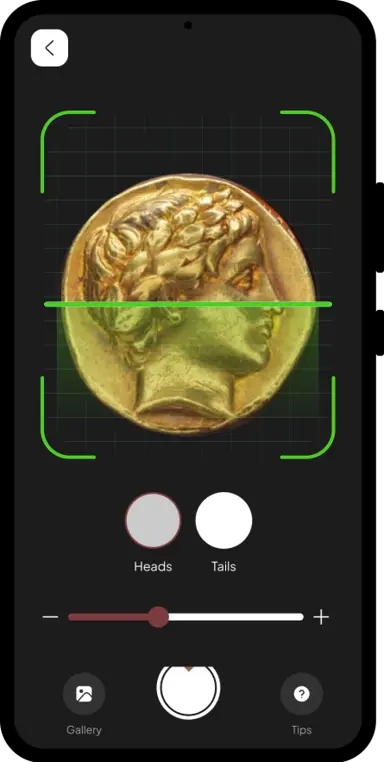
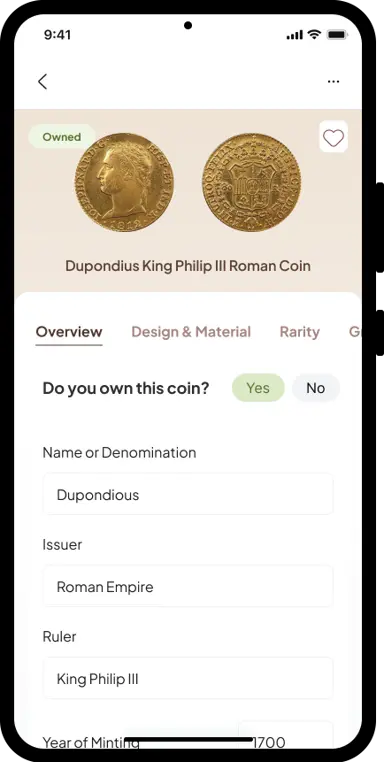
MOBILE APP
Identify coins using your camera. Your collection syncs across devices.
1M+
Daily users
4.3+★
User feedback rating
1.5M+
Items cataloged
20K+
Community members


Estimated Value
Based on recent market data

$2,100
Name or Denominations
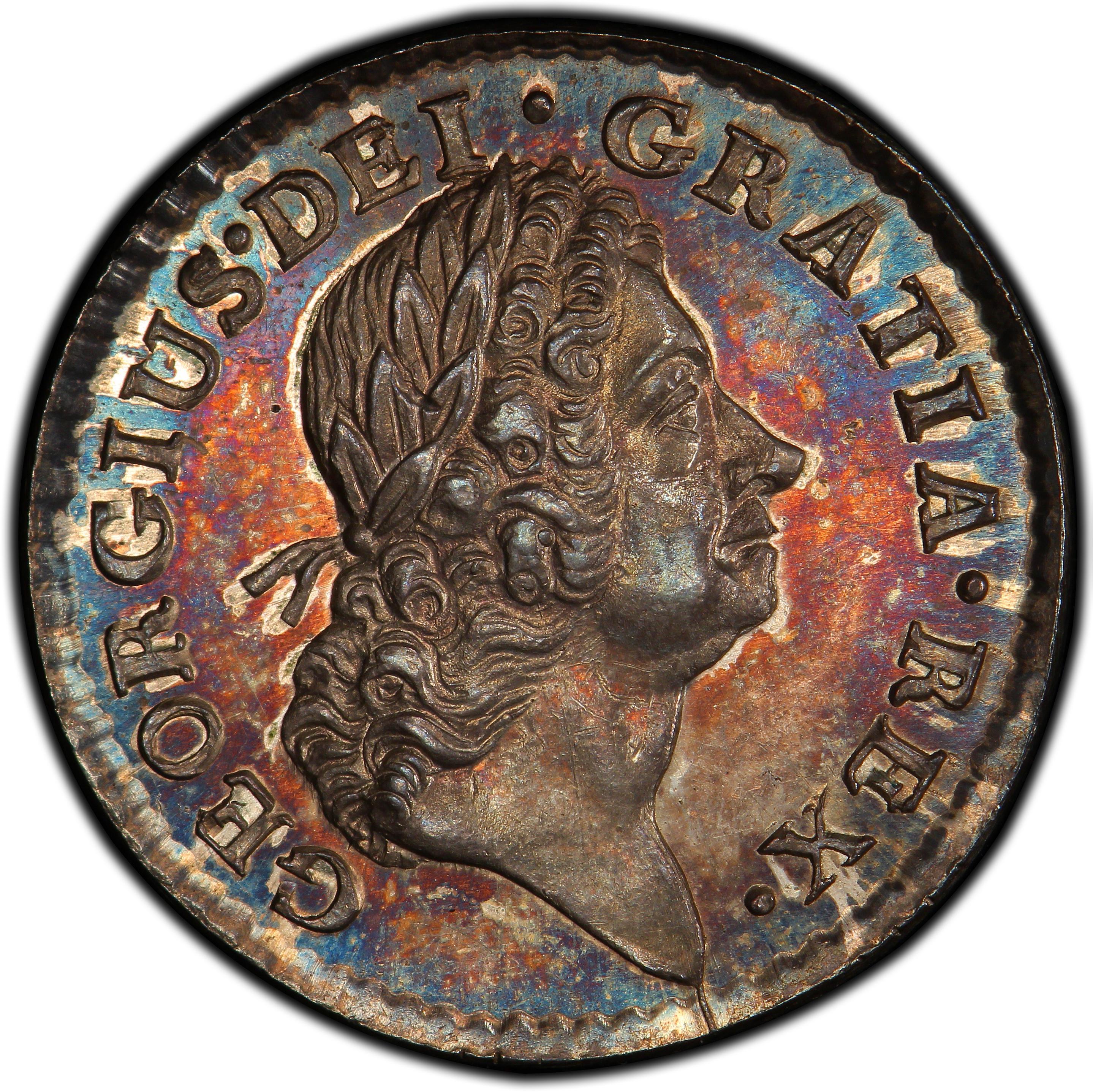
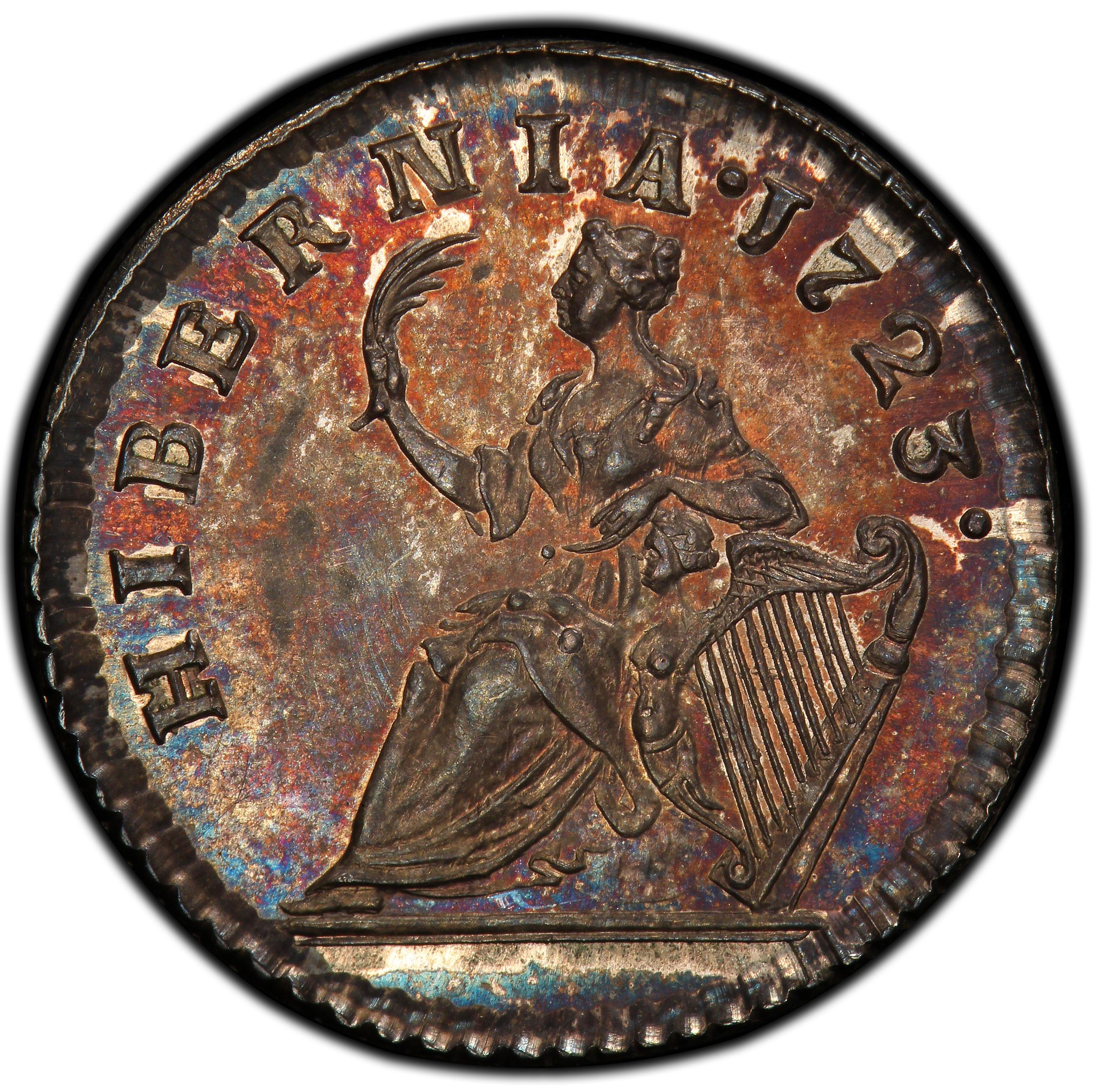
1723 Farth Hibernia, Silver
Issuer
United States
Ruler
NA
Year of Minting
1723
Currency
Dollar (1792-date)
Shape
Round
Rarity
Rare
Weight
NA
Diameter
NA
Thickness
NA
Material
Other
Shape
Round
Edge Type
Plain
Technique
Struck
Front design
Laureate profile of King George I.
Back design
Hibernia seated left, holding a harp.
Year of Minting
1723
Ruler
NA
Mint location
Philadelphia
Mint mark
NA
Orientation
Coin alignment
Inscriptions
GEORGIUS . DEI . GRATIA . REX
Context
: The 1723 Wood's Hibernia Farthing Silver Specimens William Wood’s Hibernian coinage became a circulating staple in the American colonies after a controversial rollout and Jonathan Swift’s successful campaign to discredit it made the coppers moneta non grata in Ireland . In the 1720s, Ireland suffered from a chronic shortage of small-denomination copper coins, which hampered daily commerce. Concurrently, the little gold and silver coin the nation possessed was largely being exported to England to pay absentee landlords. To facilitate trade, English ironmaster William Wood successfully applied for a royal patent to strike £100,000 worth of copper coins for Ireland. The coins featured a laureate profile of King George I on the obverse and Hibernia (the allegorical personification of Ireland) on the reverse, seated with a harp. Swift’s "Drapier" and the Duchess Wood’s problems began when the Irish public grew incensed that his royal patent was secured through the King’s mistress, the Duchess of Kendal (also known as 'The Maypole' ). Wood had been awarded the patent only after agreeing to pay the Duchess a bribe of £10,000 for its release. Crucially, the Irish Parliament and Privy Council were never consulted. While Wood likely entered the contract with honest entrepreneurial intent, he was unaware of the political firestorm this lack of communication would ignite. Jonathan Swift, then in the midst of writing Gulliver’s Travels , pilloried the coinage under the pseudonym “M.B. Drapier,” posing as a humble Dublin wool merchant. Swift’s seven pamphlets, known as The Drapier’s Letters , spread economic alarmism, falsely claiming the coins were debased, and successfully incited a total boycott. Migration to the Colonies By 1725, Wood was forced to surrender his patent; his coinage was scuttled and his reputation was in tatters. He accepted a small pension, and the unwanted Irish copper was eventually diverted to the coin-starved American colonies. As high-quality copper, these "Wood’s Hibernia" pieces circulated in America for decades, remaining a common sight well into the early 19th century. Wood's coinage was good copper and Sir Isaac Newton's 1724 assay proved that the coppers were actually better than the patent required. While this didn't help matters in Ireland, it did ensure their usefulness in America. The Wood’s Hibernia Silver Farthings Wood's Hibertnia Silver Farthings are rare silver strikings. Given their silver composition and the refinement of their characteristics, PCGS now classifies these silver farthings as Specimen pieces —likely struck as "presentation" examples for government officials to demonstrate the quality of Wood's manufacture. Historically, farthings were indeed produced in silver. Before the reign of Edward I in the 13th century, silver pennies were physically cut into four pieces (each a "fourthing" or farthing) to facilitate change. While the Mint eventually issued dedicated silver farthings to eliminate this practice, the rising value of silver caused the coins to shrink to an impractical size. By 1613, the farthing had transitioned to copper tokens (the "Harrington" issues), and by 1672, official royal copper farthings entered production. Vintage Market Snippet Per Ron Guth: The silver versions of the 1723 Hibernia Farthings are among the most highly prized of the series. Though considered a pattern coinage by some, their numbers suggest a special striking of some sort. According to the cataloger of the sale of the John J. Ford, Jr. Collection , the firm of A.H. Baldwin & Sons uncovered a silver tube containing 43 silver Hibernia Halfpennies , all of which were dispersed during the 1960s and 1970s. Today, they appear at auction very infrequently. * * *
Rarity
Rare
Coin type
Pre-1776 Private and Regional Issues (1616-1766)
In circulation
NA
Demonetized
NA
Marketplace listings
0

Subscribe to Premium
Unlock more coin details with Premium.