
Ancient Roman coins
14k+ coins · up to $50,000
Browse Catalogue
Explore popular collecting categories, from ancient Roman to rare American.


Want to check your coins value? Get it evaluated first, then list to verified buyers.

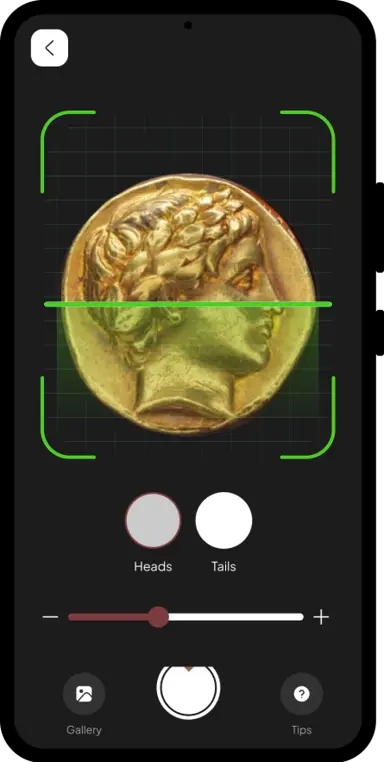
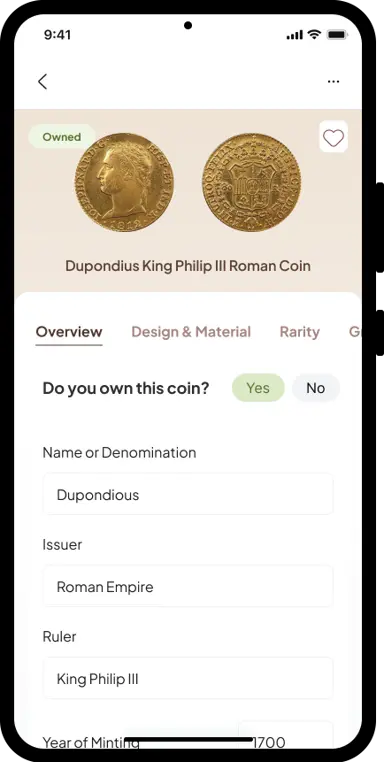
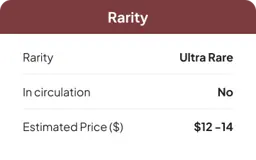
MOBILE APP
Identify coins using your camera. Your collection syncs across devices.
1M+
Daily users
4.3+★
User feedback rating
1.5M+
Items cataloged
20K+
Community members


Estimated Value
Based on recent market data

$51,250
Name or Denominations
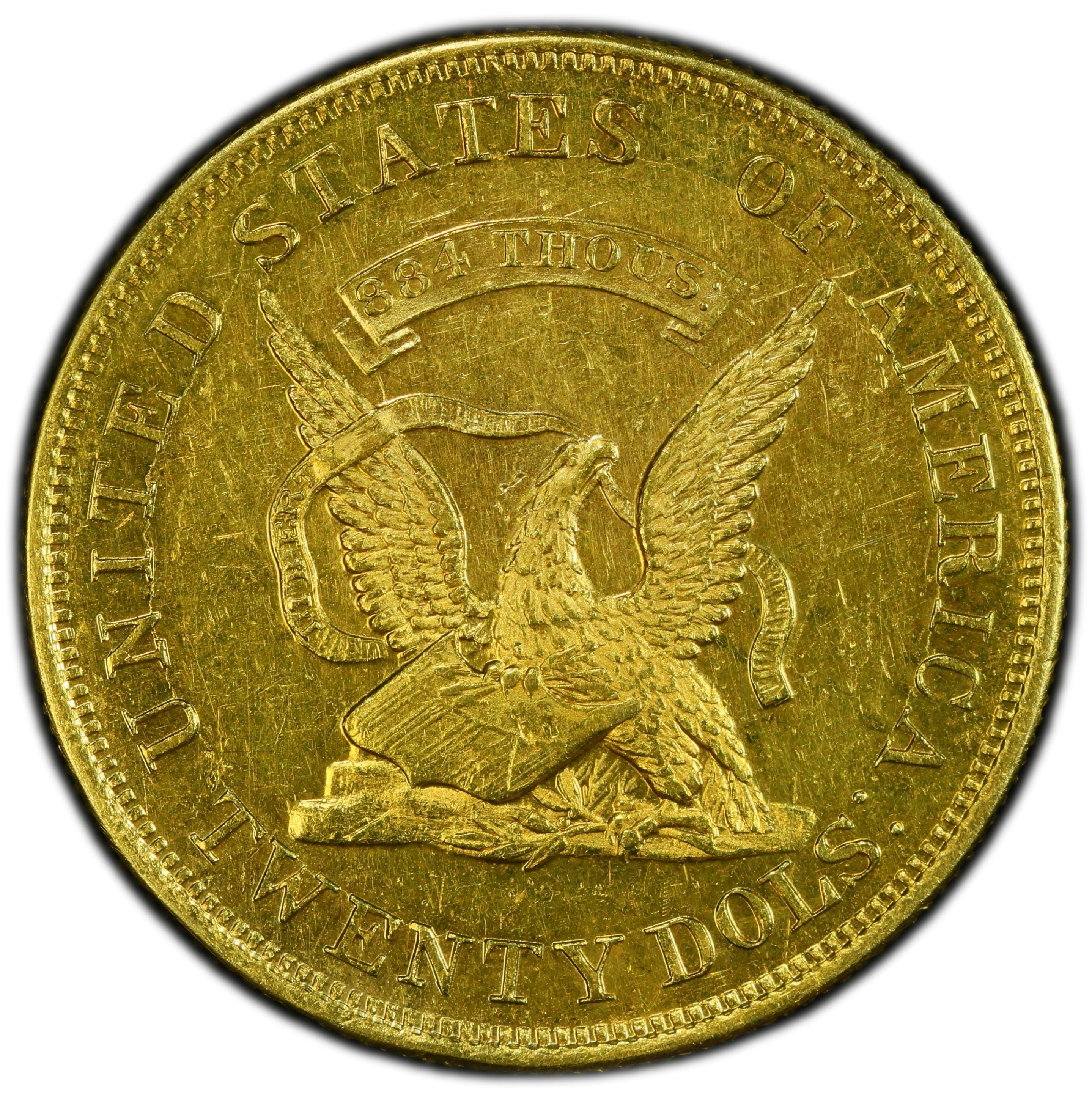
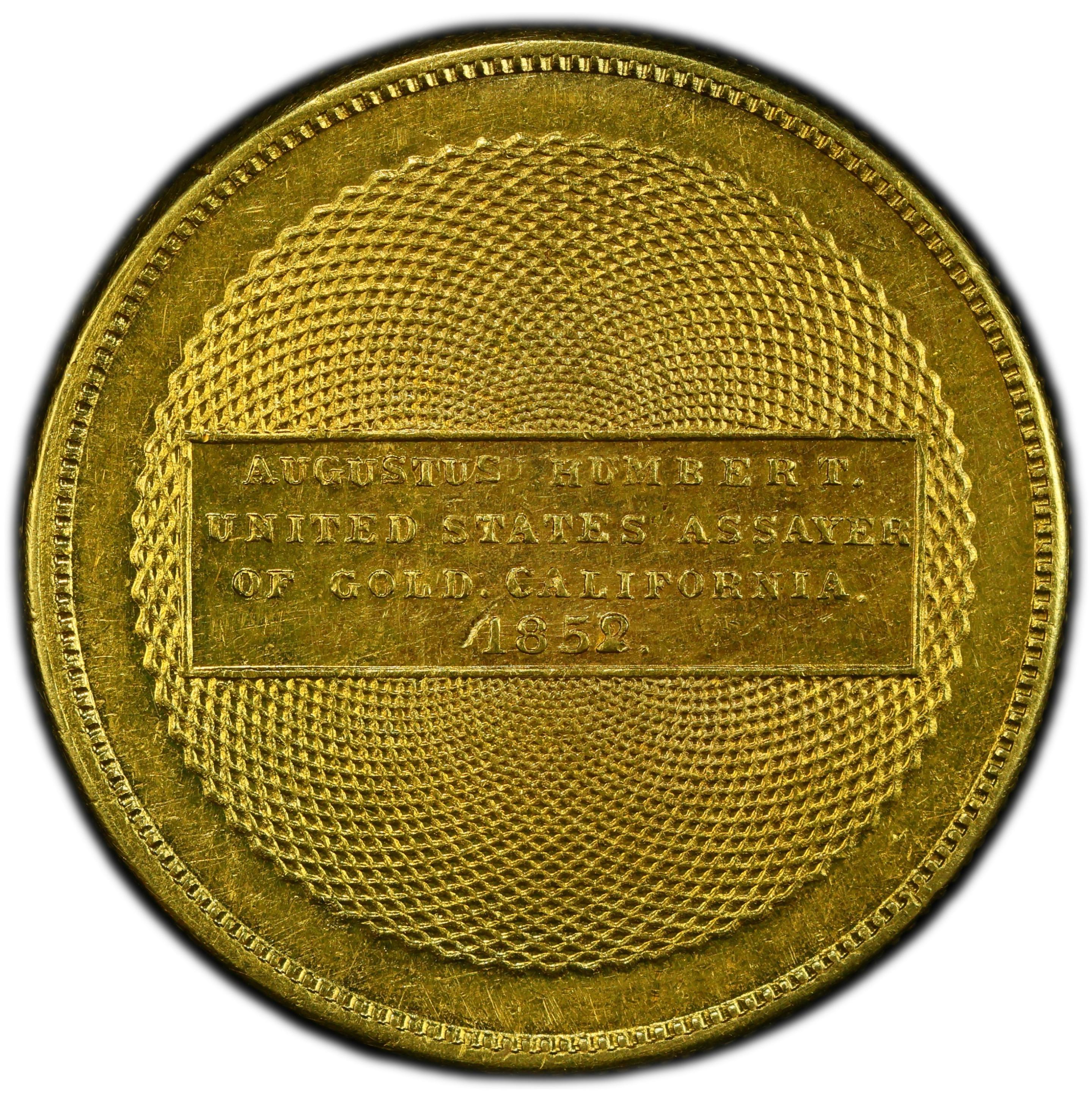
1852/1 $20 Humbert
Issuer
United States
Ruler
NA
Year of Minting
1852
Currency
Dollar (1792-date)
Shape
Round
Rarity
Rare
Weight
33.44 g
Diameter
39 mm
Thickness
NA
Material
Gold
Shape
Round
Edge Type
Reeded
Technique
Struck
Front design
Augustus Humbert, Assayer
Back design
Eagle with shield, denomination, and fineness
Year of Minting
1852
Ruler
NA
Mint location
Philadelphia
Mint mark
NA
Orientation
Coin alignment
Inscriptions
UNITED STATES OF AMERICA | 20 DOLLARS | 1852 | AU
Context
: Variety Equivalents: Kagin 9, Breen 7710, KM 30 Both Breen and Kagin indicate that 7,500 of these were struck on a single day between March 5 and April 2, 1852. Most examples seen have a thin die crack connecting the bottoms of the obverse legends from the top of the first T in TWENTY to the bottom of the second A in AMERICA (this die crack even appears on the Proof Humbert-Garrett specimen). Sources and/or recommended reading: "Private Gold Coins and Patterns of the United States" by Donald H. Kagin "Walter Breen's Complete Encyclopedia of U.S. and Colonial Coins" by Walter Breen History of the United States Assay Office (Reprinted with permission of the author from Donald H. Kagin's, "Private Gold Coins and Patterns of the United States", copyright 1981, Arco Publishing, Inc. of New York, pp 163-167.) While the government’s response to the need for an adequate coinage was slow and never satisfactory, two institutions were established (the State Assay Office of California and the United States Assay Office) that did provide an unconventional and partly successful attempt to supply a frontier area with an acceptable quantity of an "official" circulating medium. The private coinage proscription was not enforced by the public or government because the State Assay Office failed to mint enough ingots for the local demand. Ironically, an institution that was designed to replace the need for private gold minting actually preserved it (i.e., Moffat & Co.'s undebased coins from the first period continued in circulation) and in fact stimulated its resurgence (i.e., the second period of private gold coinage). The State Assay Office of California The United States Assay Office under Moffat & Co. (1851-1852) The United States Assay Office under Curtis, Perry & Ward (1852-1853)
Rarity
Rare
Coin type
California Gold (1849-1855)
In circulation
NA
Demonetized
No
Marketplace listings
0

Subscribe to Premium
Unlock more coin details with Premium.